


For larger estates
Infrastructure, without the eighteen-month deployment
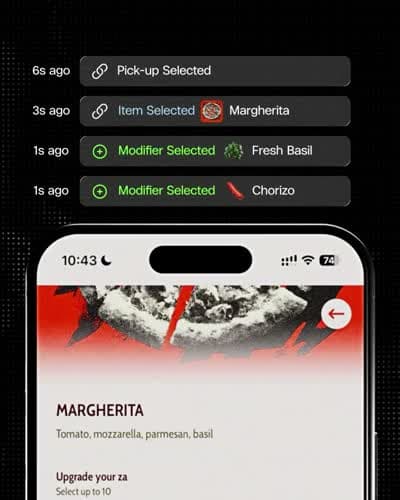
Larger estates buy ordering as infrastructure: integration depth, data ownership, and a vendor that can move at the estate's pace. Storekit brings the self-serve platform's speed - sites live in days, not quarters - with the surface a bigger operation actually needs underneath.
#1
Converting checkout
5x
5-star Google reviews
+6.4%
Spend per head
0%
Commission fees
What the job actually is
An API, not a black box
Developer API access for order data, menus, and guest records - build the reporting, middleware, or data-warehouse feeds your stack expects. Public developer documentation, no gatekeeping.
The integration estate
100+ integrations across EPOS, delivery, payments, loyalty, and marketing - including the UK enterprise till stack: Zonal, Tevalis, Tissl, NCR Aloha, Micros, Comtrex, and more.
Your data, contractually boring
Guest records, order history, and menus are yours and exportable at any time. No data ransom at renewal, because there is nothing to hold hostage.
Phased rollout with a named team
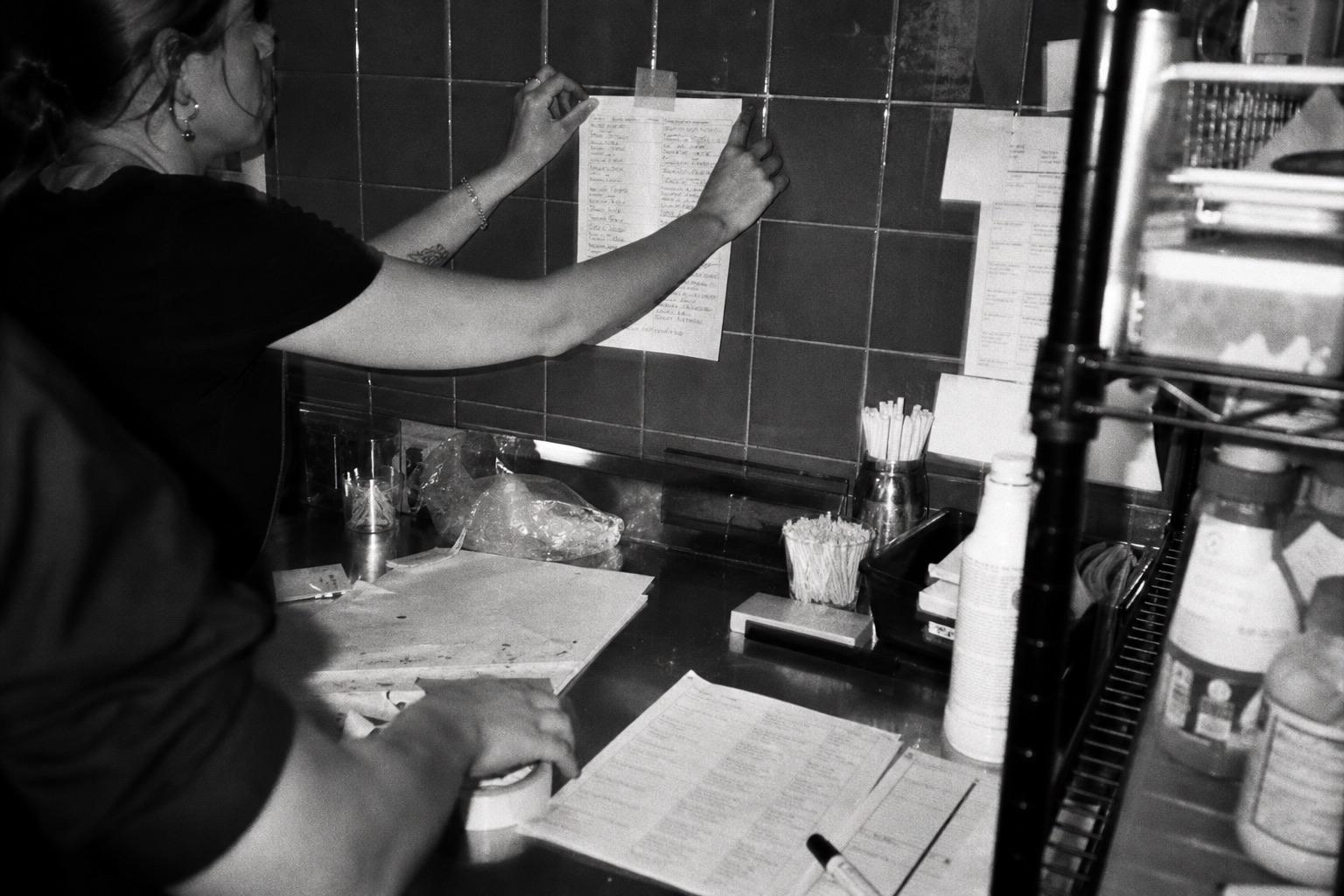
Larger estates get named onboarding support and a site-by-site rollout plan - pilot sites first, template the launch, then scale it across the estate on your calendar.
Payments that reconcile
Card processing built on Stripe's PCI-DSS compliant infrastructure, with per-site settlement and reporting that your finance team can close the month against.
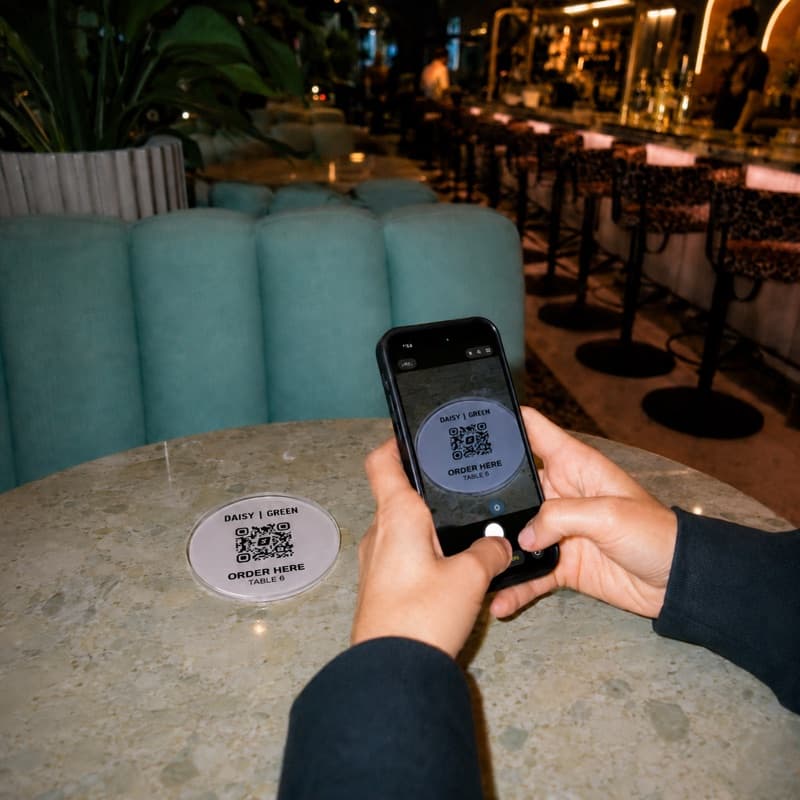
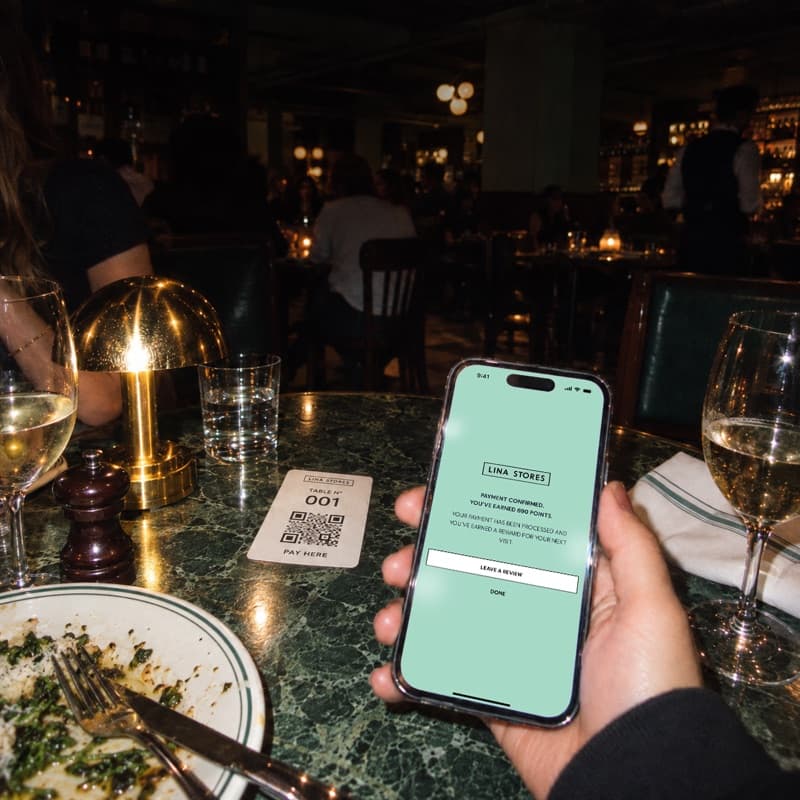
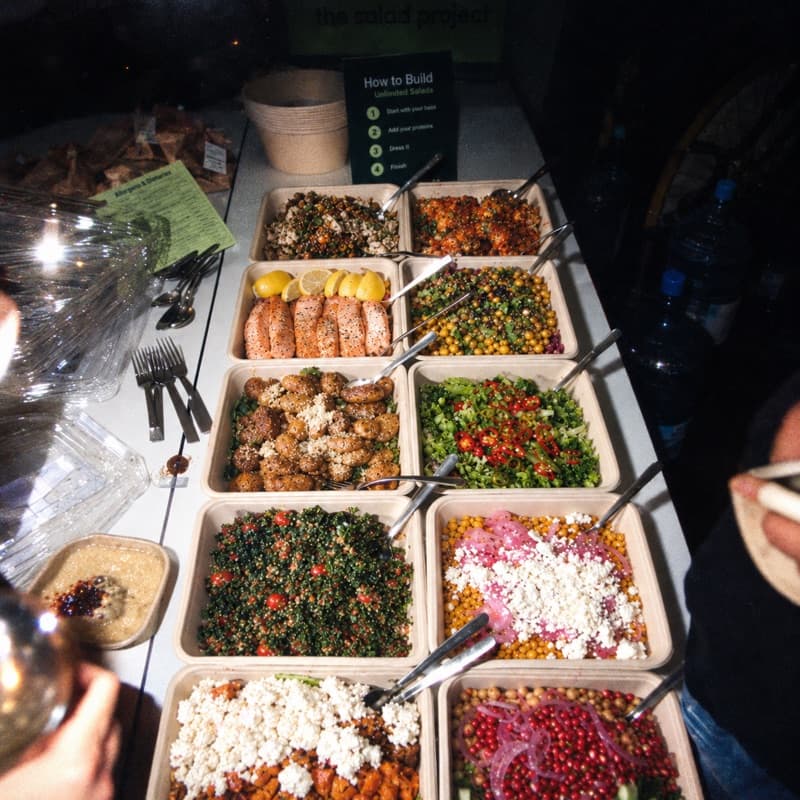
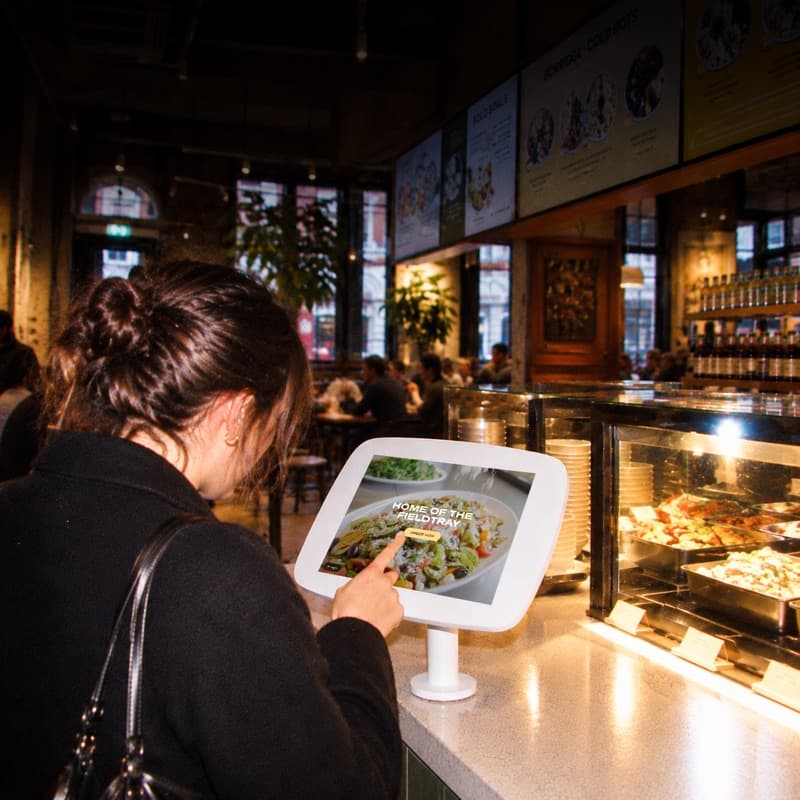
What you would run

Proof at this size


2×
the app users they had on Vita Mojo
We had a platform that did everything - but not well enough. The app had no branding, we had no control, and our catering team were spending every morning on the phone to couriers.
David McCarroll · Tech Lead · Sprout & Co
Read the case study →

2×
revenue vs iOrder in week one at the Exeter pilot
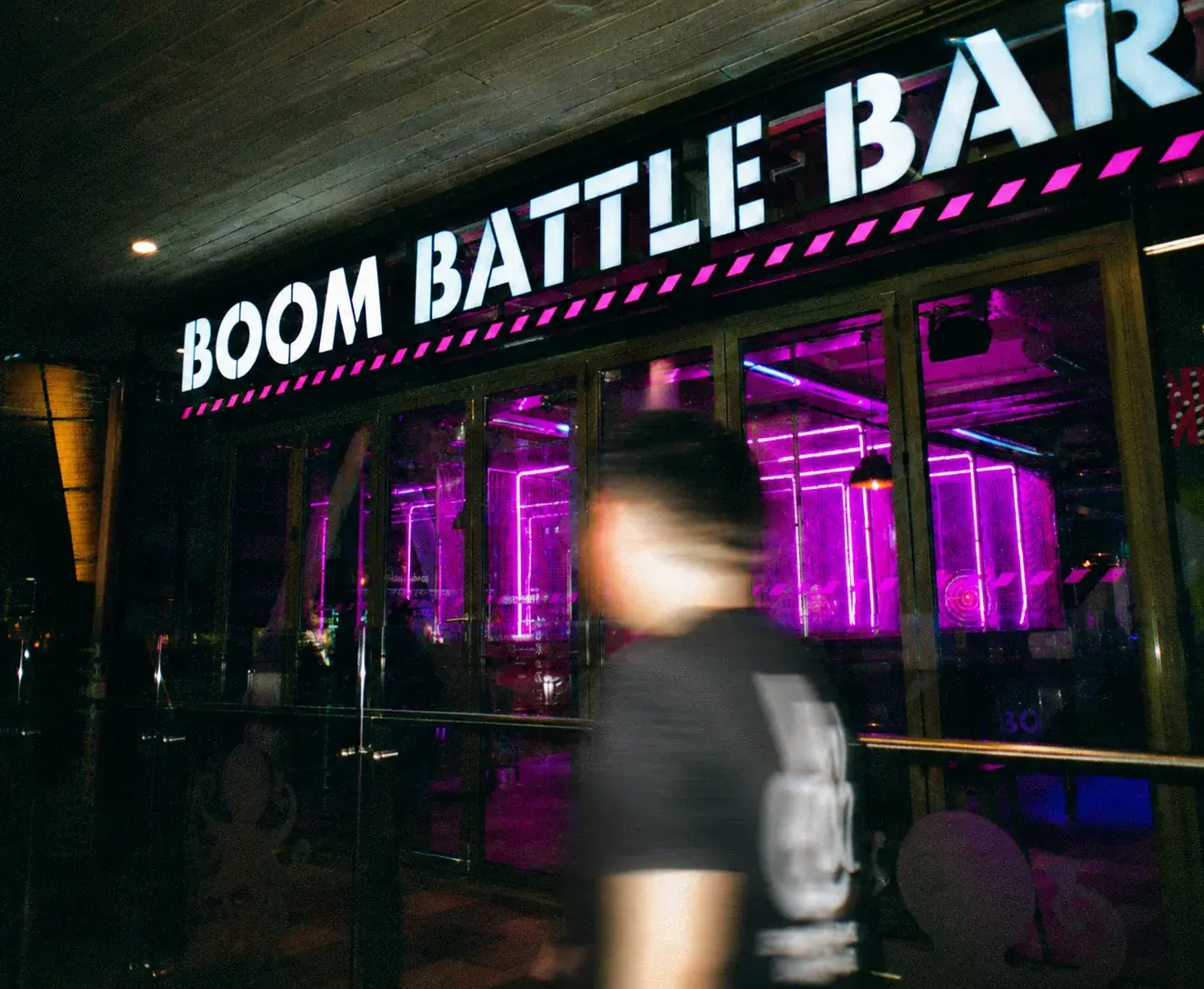
Storekit landed with no issues, no disruption - and delivered higher average order values than our previous QR ordering. Its upsell functionality enhances the guest journey in a way that's fully aligned with our brand, while freeing our teams to focus on the energy and connection that make Boom what it is.
Steven Hazon · Operations Director · Boom Battle Bar
Read the case study →


48 hours
from the emergency call to live on order and pay
Having seen Storekit at other high-volume bars and only hearing good things, we knew where to go when we needed to upgrade our ordering system.
Operations team · Incipio Group
Read the case study →
Asked at this size
Does Storekit serve enterprise restaurant estates?
Yes, with an honest caveat: Storekit's centre of gravity is single sites through mid-market groups, and it reaches into larger estates with API access, deep UK EPOS integrations, named onboarding, and phased rollout. If you need kiosk hardware programmes or a full POS replacement, that is a different category of vendor.
Is there API access?
Yes - a developer API for orders, menus, and guest data, with public documentation. API access is how larger estates wire Storekit into data warehouses, middleware, and custom reporting.
How does an enterprise rollout work?
Pilot sites first, with named onboarding support. Once the launch is templated, remaining sites go live in waves on your schedule - each site is a same-day launch technically, so the calendar is set by your operation, not ours.
Who owns the data?
You do, at every scale. Guest records, order history, and menus are exportable at any time - which is worth testing on any vendor before you sign, including us.
Or by the size of the operation
A single site and a thirty-site group run the same machinery. What changes is who has to be convinced, and of what.
- For independent restaurantsPunch at the chains' weightThe chains have branded apps, loyalty schemes, and someone whose whole job is digital. You have a service to run. Storekit gives a single site the same ordering machinery - live the same day, free to start, and nobody takes a cut of the basket.
- For restaurant groupsOne estate, one system, site-level controlBetween three sites and thirty, the problem changes shape: it stops being about taking orders and starts being about consistency, control, and knowing which site is quietly underperforming. Storekit runs the estate from one dashboard without flattening what makes each site work.
And by what you run
Size is one axis. The kind of place you run is the other, and it changes which channels matter.






See it on
your estate
Free to set up, live in a day, and it scales site by site from there.